Introduction
The internet is undergoing a massive transformation. With the rise of Web3, the focus is shifting from centralized systems to a decentralized model where users have more control over their data, identities, and transactions. Decentralized Applications (DApps) are at the heart of this evolution, leveraging blockchain technology to deliver transparency, security, and user empowerment.
This article explores the fundamentals of Web3, the role of DApps, and how developers can dive into this exciting space.
What is Web3?
Web3 refers to the next generation of the internet, characterized by decentralization and the use of blockchain technology. Unlike Web2 (the current iteration of the internet), which relies on centralized platforms like Google, Facebook, and Amazon, Web3 enables peer-to-peer interactions and ownership.
Key Features of Web3
- Decentralization: Data is stored on distributed networks rather than centralized servers.
- User Ownership: Users own their data, identities, and digital assets through blockchain wallets.
- Smart Contracts: Self-executing agreements that automate processes without intermediaries.
- Native Payments: Cryptocurrencies and tokens power the ecosystem, enabling friction-less transactions.

What Are Decentralized Applications (DApps)?
DApps are software applications built on decentralized networks, typically leveraging blockchains like Ethereum, Solana, or Binance Smart Chain. Unlike traditional apps, DApps operate without a central authority, ensuring transparency and resilience.
Characteristics of DApps:
- Open Source: Most DApps are built with publicly available code to foster trust and collaboration.
- Blockchain Integration: They use blockchain to store data and execute smart contracts.
- Tokenization: Many DApps have native tokens for incentivizing users and powering their ecosystems.
- Censorship Resistance: No single entity can control or shut down a DApp.
TigerGraph: Optimized for scalability in large-scale graph analytics.
ArangoDB: A multi-model database combining graph, document, and key-value storage.
Examples of Popular DApps:
- Uniswap: A decentralized exchange for trading cryptocurrencies.
- Aave: A decentralized lending and borrowing platform.
- Axie Infinity: A play-to-earn blockchain game.
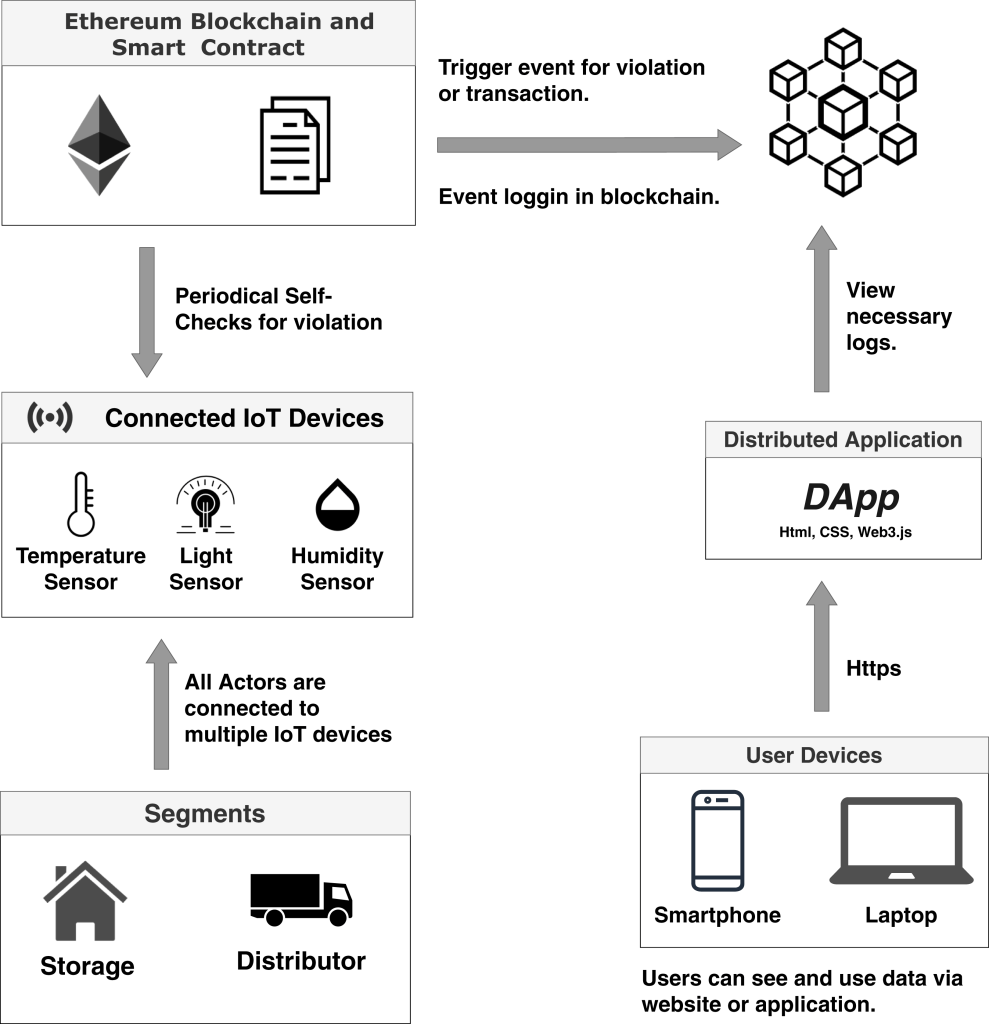
Image Copyrights: fiveable
Why Are DApps Important?
User Empowerment: DApps return control to users by eliminating intermediaries. For instance, in decentralized finance (DeFi), users can lend, borrow, or trade directly without relying on banks.
Enhanced Security: Data stored on blockchains is immutable and encrypted, reducing the risk of hacks and unauthorized access.
Global Accessibility: DApps operate on blockchain networks that are accessible to anyone with an internet connection, promoting financial inclusion.
Incentivized Ecosystems: DApps use tokens to reward user participation, creating self-sustaining communities. Example: In Axie Infinity, players earn tokens that have real-world monetary value.
How Developers Can Get Started with Web3 and DApps
Learn the Basics of Blockchain and Smart Contracts
- Familiarize yourself with blockchain fundamentals and how smart contracts work.
- Recommended Resources: Ethereum.org, Solidity Documentation.
Master a Blockchain Development Framework
- Tools like Hardhat and Truffle simplify DApp development.
- For front-end integration, libraries like Web3.js and Ethers.js are essential.
Explore Smart Contract Languages
- Solidity: The primary language for writing smart contracts on Ethereum.
- Rust: Used for blockchains like Solana.
Build and Deploy a Simple DApp
- Start with a basic project, such as a token or voting DApp, to understand the development lifecycle.
- Platforms like Remix IDE make it easy to write and test smart contracts.
Participate in Web3 Communities
- Engage with communities on forums like Reddit, Discord, and Telegram.
- Contribute to open-source DApps to gain experience and visibility.
Challenges in Web3 and DApp Development
Scalability: Blockchains like Ethereum face congestion and high transaction fees, limiting the performance of DApps. Layer-2 solutions like Polygon and optimistic rollups aim to address this.
Security Risks: Smart contracts are prone to vulnerabilities, requiring rigorous testing and auditing.
User Adoption: The complexity of blockchain wallets and transactions can deter non-technical users.
Regulatory Uncertainty: Governments worldwide are still formulating regulations around cryptocurrencies and blockchain technology, creating uncertainty for developers.
Emerging Trends in Web3 and DApps
Cross-Chain Interoperability: Bridges like Polkadot and Cosmos enable DApps to operate across multiple blockchains, improving accessibility and scalability.
Decentralized Identity (DID): DApps are integrating DID solutions to give users control over their digital identities.
Web3 Gaming: Blockchain gaming is on the rise, combining play-to-earn models with NFTs for in-game assets.
DAOs (Decentralized Autonomous Organizations): DApps are powering DAOs, enabling community-driven decision-making without centralized leadership.
Conclusion
Web3 and DApps represent the future of the internet, where decentralization and user empowerment take center stage. For developers, this is an exciting time to explore the tools, frameworks, and possibilities in the Web3 ecosystem. Whether it’s creating innovative DeFi platforms, building play-to-earn games, or shaping decentralized governance, the opportunities are endless.
 Srinivasrao Daruna